Understanding Recycling
Understanding plastic recycling starts with knowing it’s a coordinated system that collects, sorts, processes, and remanufactures materials so they can be used again. While recycling may begin for the consumer at the curb, it relies on a nationwide network of facilities, technology, and manufacturing infrastructure to function effectively.
Modern recycling includes multiple pathways, each designed to recover value from materials and return them to productive use.
Collection
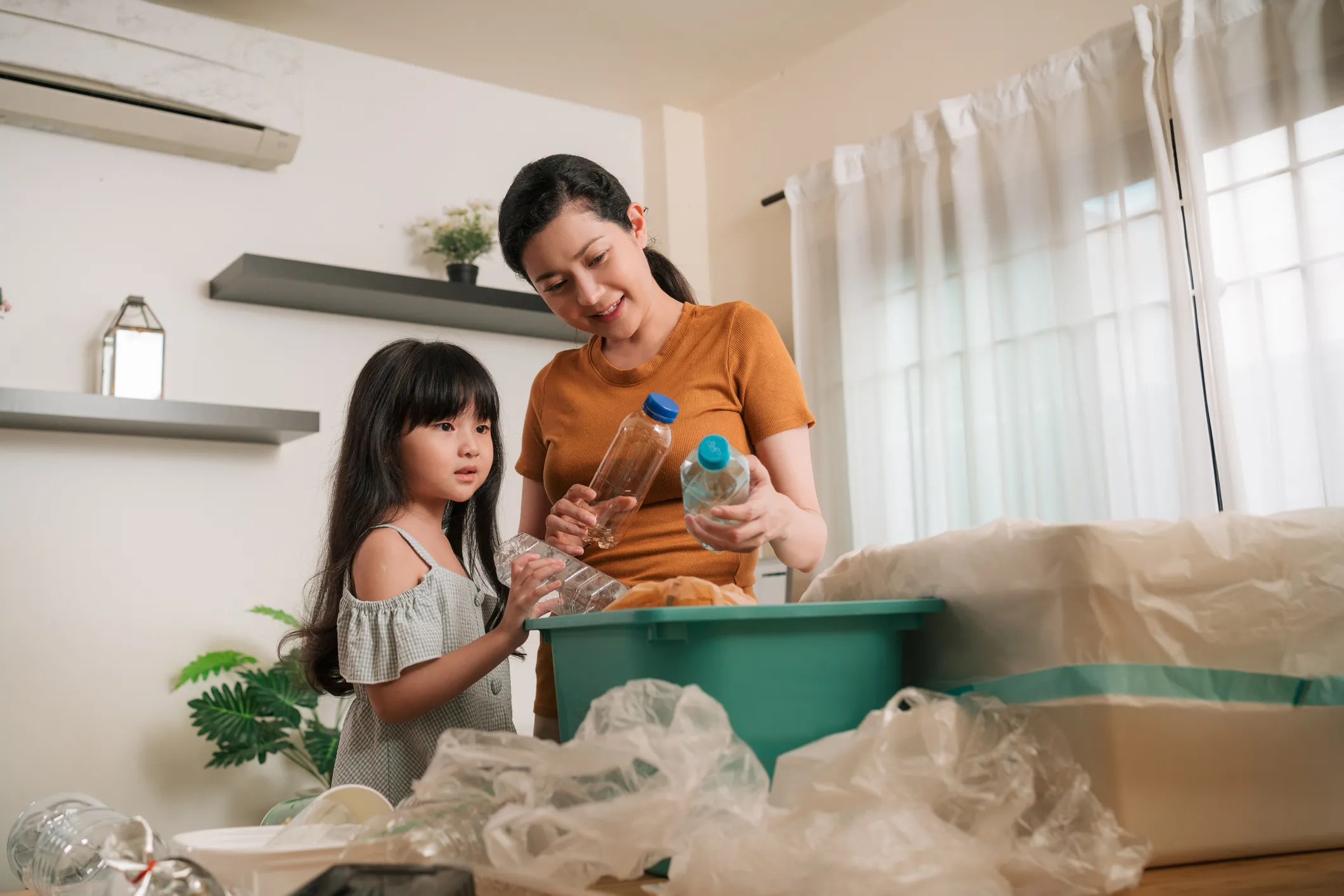
Plastic recyclables are collected through curbside programs and store drop-off locations.
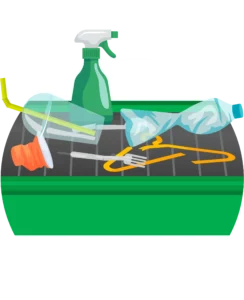
Sortation
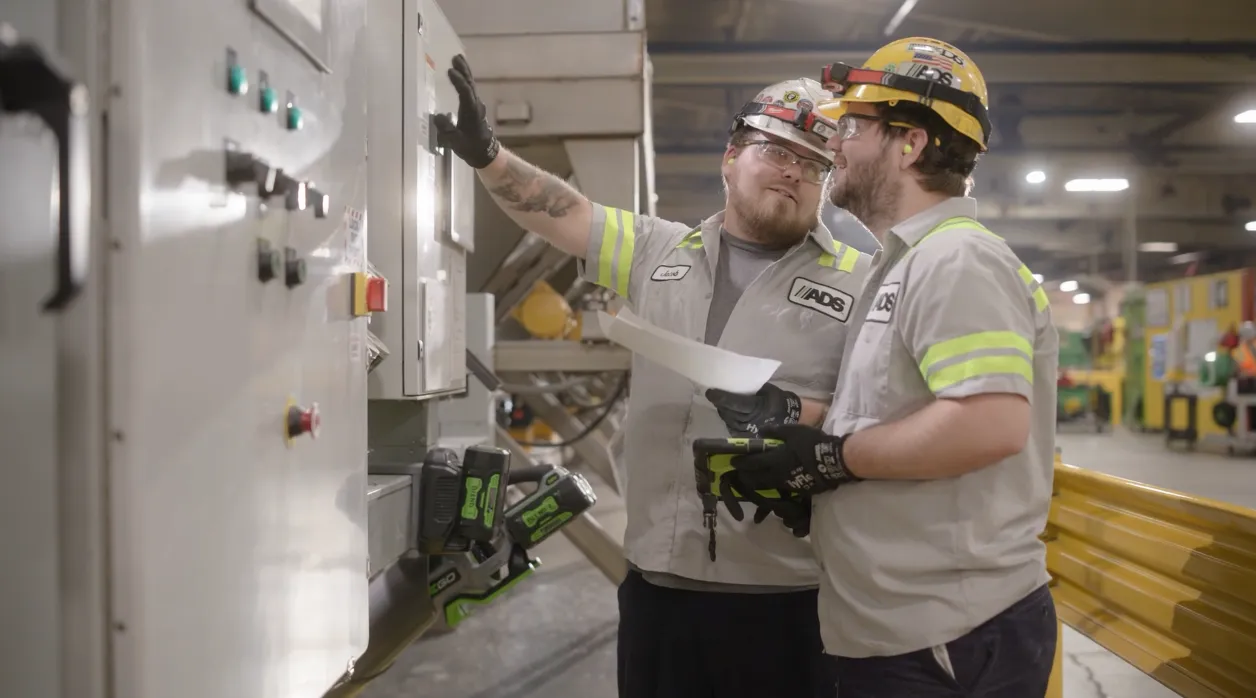
After collection, plastics are sorted by material type at a Materials Recovery Facility (MRF). Sorting systems use a combination of conveyor equipment, optical scanners, robotics, and manual quality control.
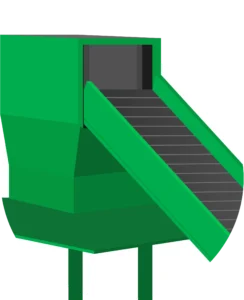
Cleaning & Processing
Sorted plastics are sent to reprocessing facilities, where they are washed, shredded into flakes, and transformed into clean resin pellets.
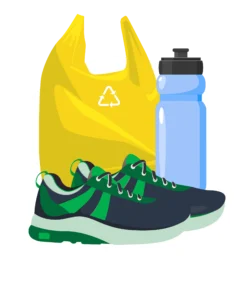
Remanufacturing
These recycled pellets are used to manufacture new packaging, containers, textiles, automotive components, and other products.
Recycling is not a single step.
It is an integrated system connecting communities, processors, and manufacturers.
Mechanical Recycling
Mechanical recycling is the most widely used recycling method today.
It relies on physical processes to prepare used plastics for remanufacturing while keeping the polymer structure intact.
The result is recycled plastic resin that can be used to manufacture new products.
Because mechanical recycling is energy-efficient and well established, it is often the first choice for handling clean, sorted recycling streams such as PET bottles and HDPE containers. Ongoing improvements in sorting technology and material design continue to strengthen this pathway.
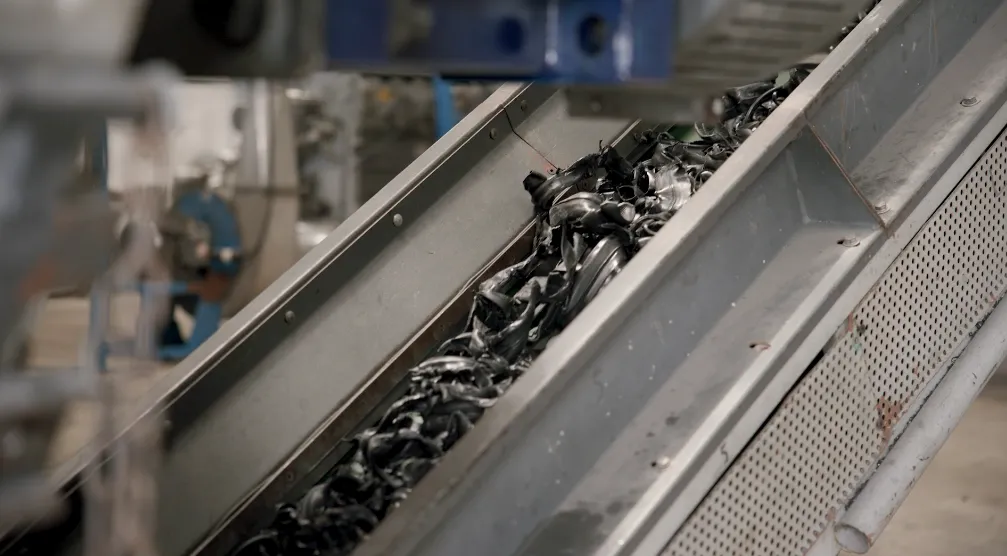
Mechanical recycling typically includes:
- Sorting by material type
- Washing and drying
- Grinding or shredding
- Re-granulating and compounding
Physical Recycling
Physical recycling is a process that recovers plastics without significantly changing their chemical structure.
The material goes through a series of purification steps that separate the target polymer from other plastics, additives, and contaminants such as fibers, fillers, and colorants. The result is a purified polymer that can be used again to manufacture new products. Many physical recycling technologies today use specialized solvents to help isolate and clean the desired plastic.
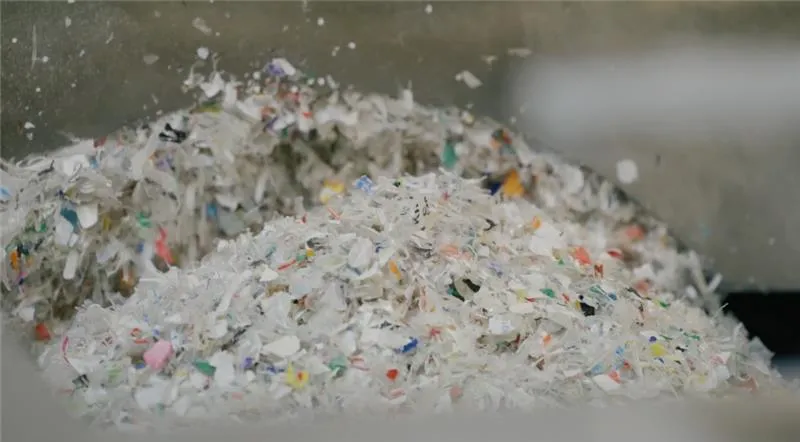
Physical recycling examples include:
- Delamination
- Deinking
- Dissolution
- Selective Extraction
Advanced Recycling
Advanced recycling refers to a range of technologies that transform plastics at the molecular level to create new feedstocks or purified materials used in manufacturing.
Unlike mechanical recycling—which maintains the polymer structure—advanced recycling alters the chemical structure of plastics through compositional transformation processes. These technologies can convert plastics into new polymers, monomers, intermediates, or other raw materials used to produce new products.
Advanced recycling is also known as chemical, molecular, tertiary, or feedstock recycling.
Advanced recycling can expand the types of materials that can be recovered — including certain plastics that may be more difficult to process through traditional mechanical methods.
In many cases, advanced recycling produces materials that are comparable in quality to virgin resin, enabling their use in a wide range of applications.
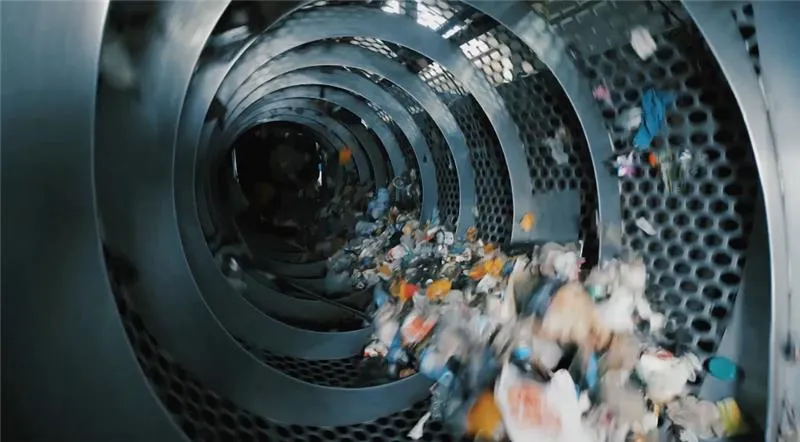
Examples of advanced recycling technologies include:
- Depolymerization
- Purification
- Conversion processes such as pyrolysis and gasification
Types of Advanced Recycling Technologies
Advanced recycling technologies generally fall into three categories:
Purification uses solvents to separate polymers from additives, colorants, odors, and other materials without breaking down the polymer chain. The resulting purified resin can be reused in new plastic products. This method is most effective with single-resin streams.
Depolymerization uses chemical processes to break plastics down into their original monomers. These monomers can then be used to create new polymers. This approach is typically applied to more uniform plastic streams.
Conversion processes use heat to break plastics down into basic molecular building blocks. Technologies such as pyrolysis and gasification fall into this category. These processes can handle more complex or mixed plastic streams and produce feedstocks used in new plastic manufacturing or other applications.
How They Work Together
Mechanical and advanced recycling serve different roles within the broader recycling system.
Mechanical recycling remains the primary and most established pathway for many plastic products. Advanced recycling technologies can complement mechanical systems by expanding the range of materials that can be recovered and returned to manufacturing.
Together, these approaches contribute to a more adaptable and resilient recycling infrastructure.
What do the Numbers on Plastic mean?
Understanding Resin Identification Codes
The number inside the triangle on plastic products identifies the type of resin used to make the product. These numbers help facilities sort materials properly.

PET

HDPE

PVC

LDPE

PP

PS

Other
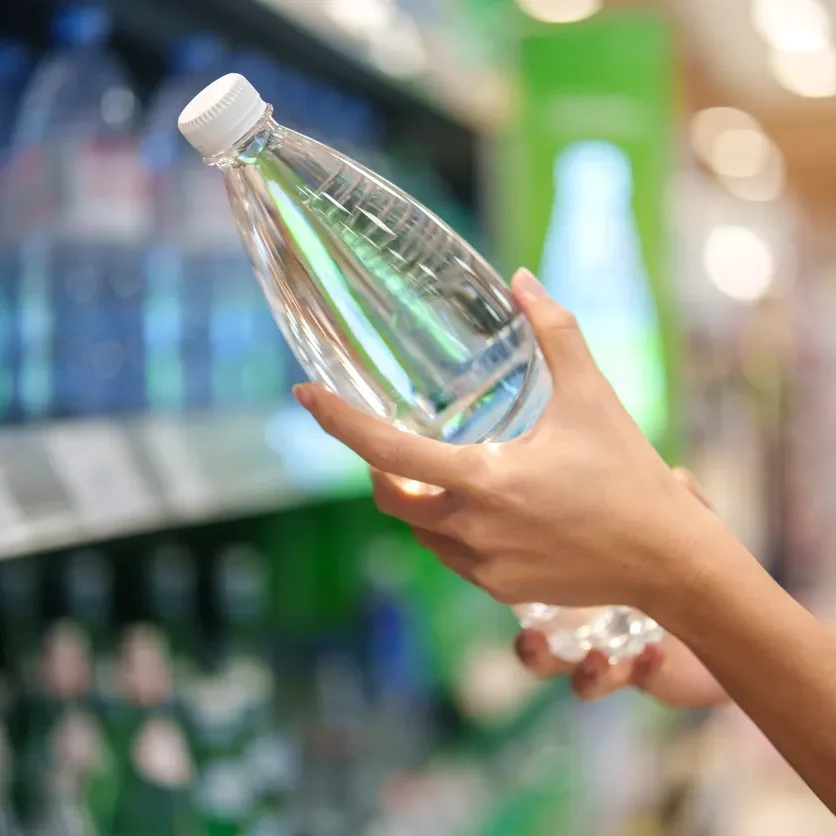
Polyethylene terephthalate
Common Products:
- Beverage bottles
- Food containers (such as peanut butter jars and ketchup bottles)
- Take-out containers
- Packaging films
- Medical packaging
- Disposable lab equipment
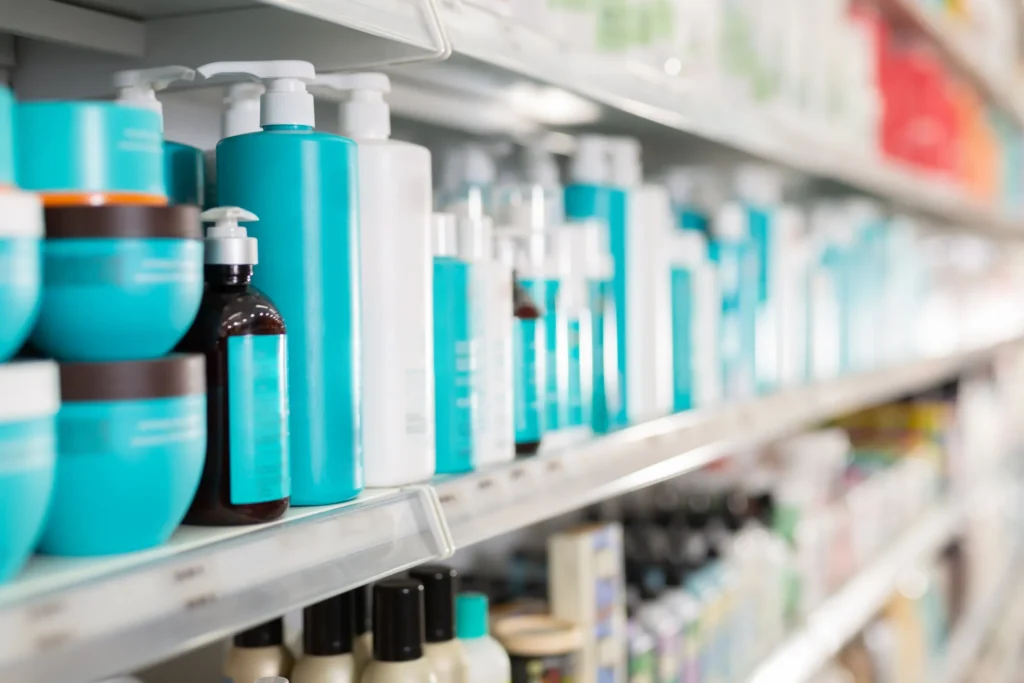
High-density Polyethylene
Common Products:
- Milk jugs
- Laundry detergent
- Shampoo bottles
- Toys
- Cutting boards
- Automotive parts like bumpers and inner panels
- Medical tubing
- Playground equipment
Polyvinyl Chloride
Common Products:
- Pipes
- Window frames
- Flooring
- Cable insulation
- IV bags
- Medical gloves
- Automotive dashboards
- Door panels
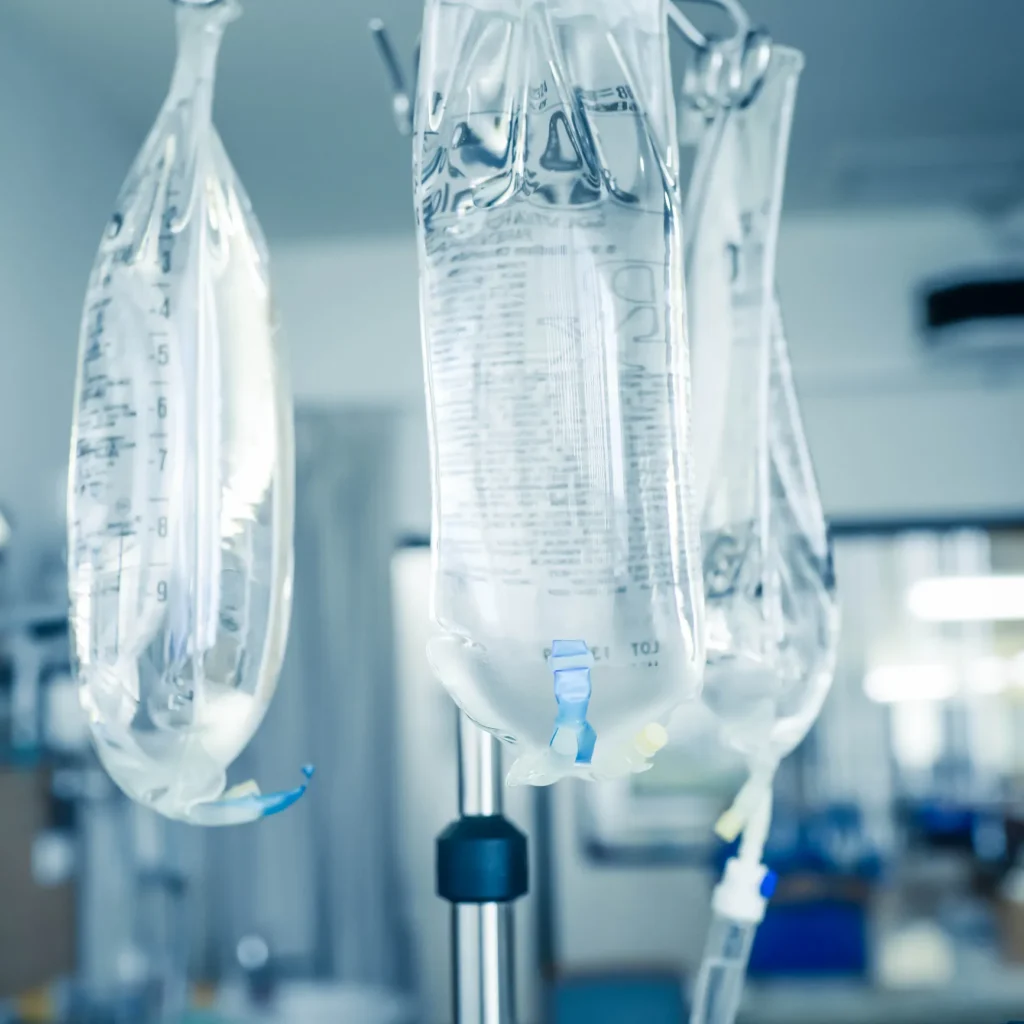
Low-density Polyethylene
Common Products:
- Grocery bags
- Squeeze bottles
- Six-pack rings
- Trash can liners
- Wire and cable insulation
- Agricultural film
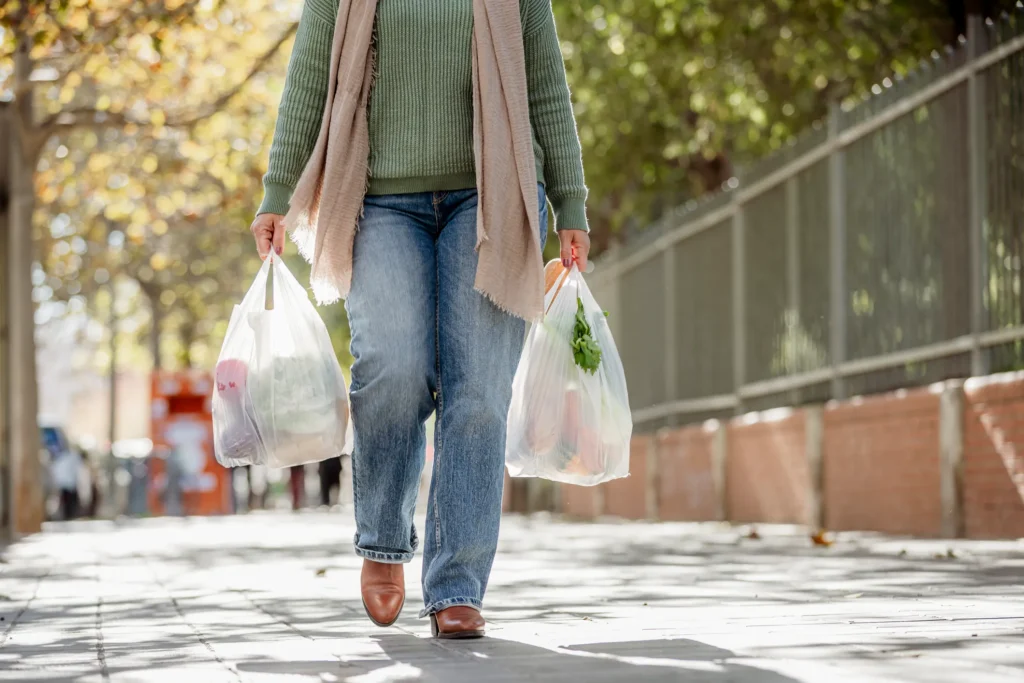
Polypropylene
Common Products:
- Food containers
- Microwaveable containers
- Diapers
- Medical masks
- Carpets
- Automotive bumpers
- Battery cases
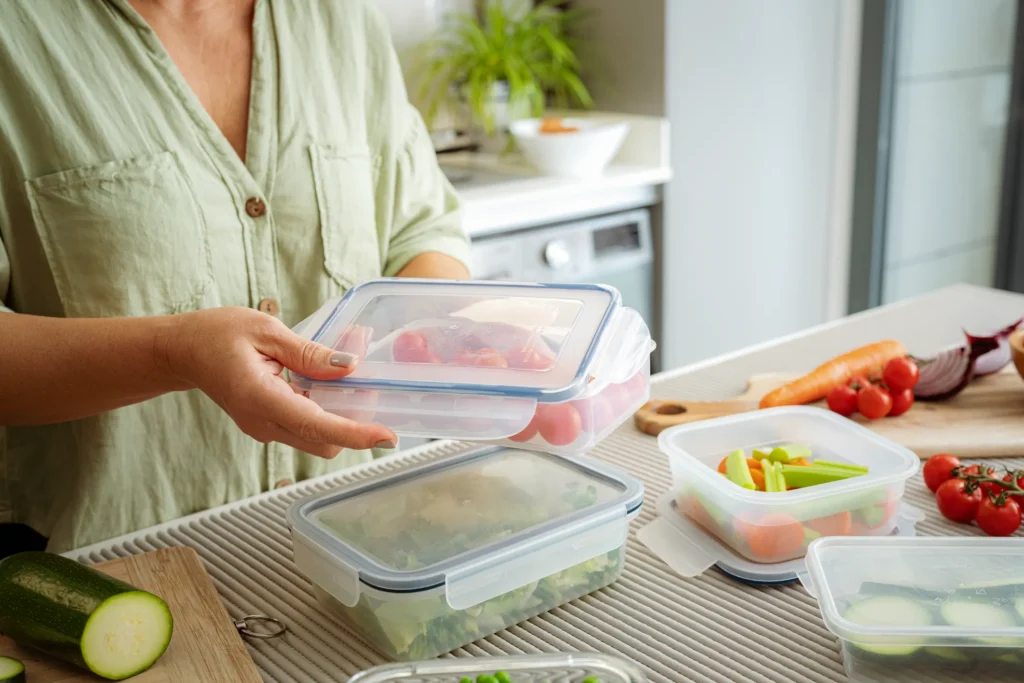
Polystyrene
Common Products:
- Insulation
- Food packaging
- Disposable cutlery
- Petri dishes
- CD cases
- Home lighting fixtures
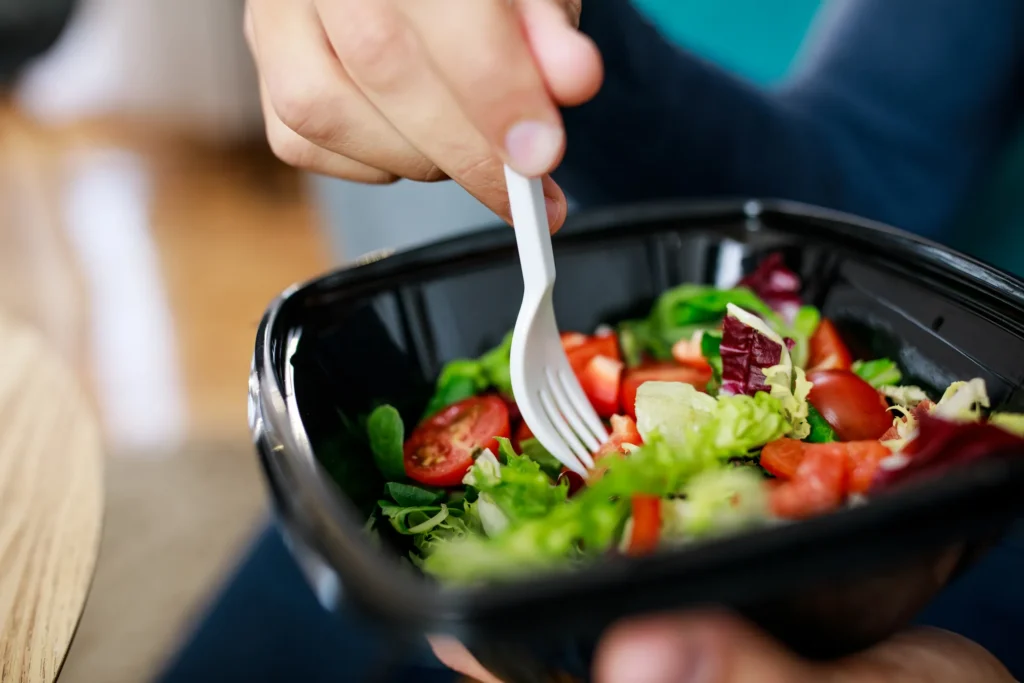
Other
Common Products:
- Textiles and carpets (Nylon)
- Eyewear lenses and safety shields (PC)
- Display screens and signage (PMMA)
- Automotive interiors and LEGO® bricks (ABS)
- Biodegradable packaging and films (PHA, PLA)
Find Recycling Information in Your Community
Recycling programs are managed at the local and regional level. Collection systems, accepted materials, and drop-off locations vary by community based on available infrastructure and processing capabilities.
To find accurate, up-to-date information about recycling options in your area, residents should consult their local county or municipal government website.
For information about plastic bag and film drop-off locations, visit Plastic Film Recycling.